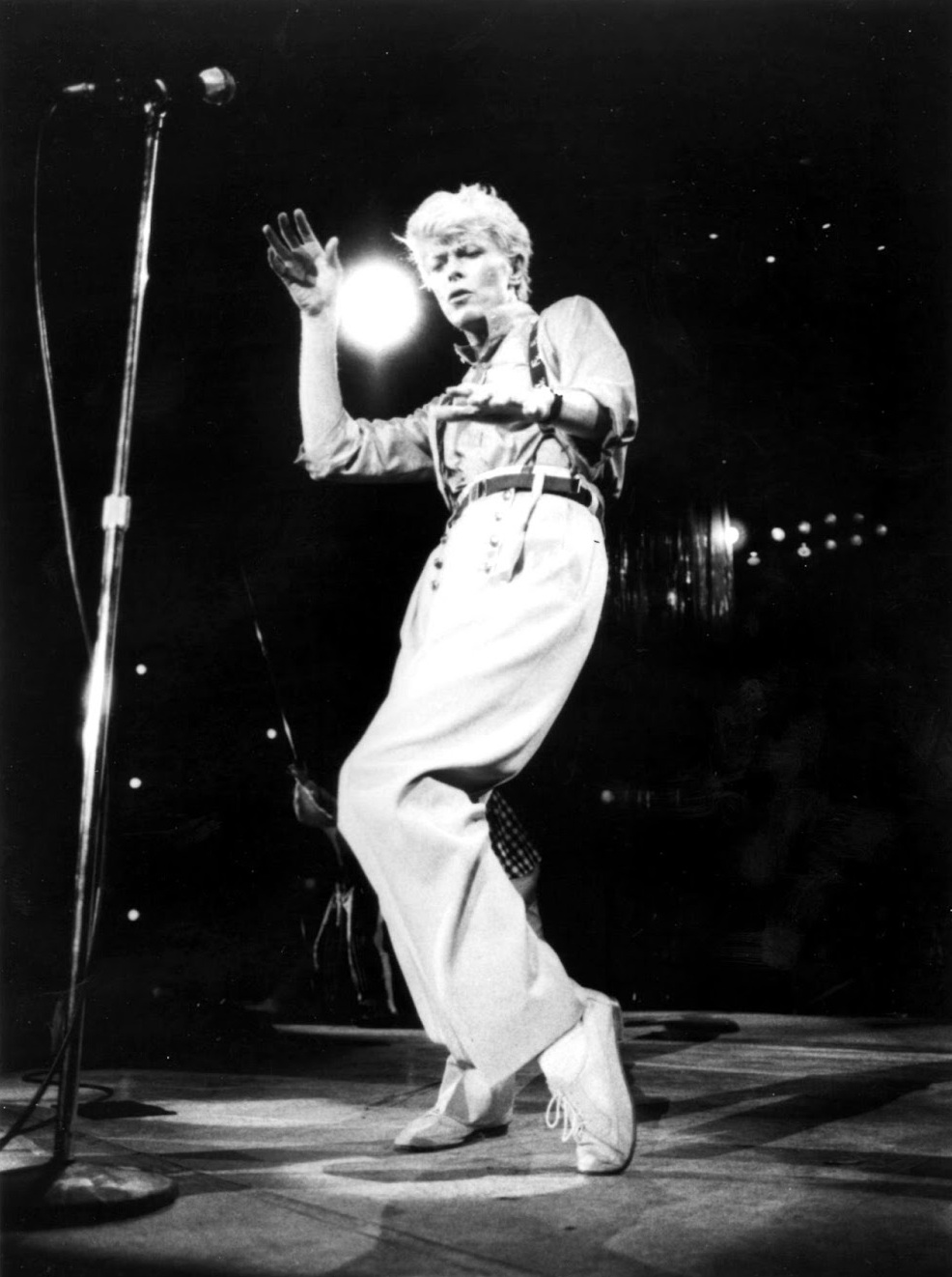
The David Bowie Estate and director Brett Morgen are framing 'Stage' not just as a concert film, but as a groundbreaking, communal arena experience that finally lets fans see the 'real' Bowie, unmasked and fully present, decades after he commissioned the footage.
Insiders reveal that the 1978 footage was considered technically unreleasable for years due to severe lighting and lensing issues. Morgen spent over 1,000 hours just calibrating the visuals. Also, other legendary tours like the 1974 'Soul Tour' are officially dead in the water because the single-camera footage is so poor, AI can't fix it without making it look artificial.
Premiere date: Feb. 14, 2027, at Berlin’s Uber Arena. Audio recorded on 24-track by Tony Visconti with 9+ mics on the drums. David Bowie is the credited producer. Lighting design by Patrick Woodroffe; sound mix by Oscar-winner Paul Massey.
This isn't a movie; it's a resurrection. If Morgen pulls off the multi-screen arena concept, we’re getting the closest thing to time travel to 1978 London we’ve ever seen.
Stop scrolling, Bowieheads, because the archive gods have finally smiled upon us. For decades, we’ve been starving for full-length concert footage from the 1970s, aside from the ubiquitous 'Ziggy Stardust' farewell. But Variety reports that director Brett Morgen, the genius behind 'Moonage Daydream,' is preparing to drop a bomb on the music documentary scene.
On February 14, 2027, 'Stage' will premiere at Berlin’s Uber Arena, transforming the lost footage of Bowie’s 1978 tour into a massive, immersive multimedia experience. This isn’t just a film you watch; it’s a show you inhabit, complete with multiple screens, elaborate light shows, and a sound mix that Morgen claims might be the finest ever created for a concert film. The backstory here is pure rock and roll mystery.
In 2017, while exploring the cavernous David Bowie archive for his previous documentary, Morgen stumbled upon a stack of 35mm film cans labeled 'Stage.' These reels had been untouched for nearly 40 years. Bowie had commissioned the footage in 1978, hiring director David Hemmings ('Blow-Up'), but Bowie was reportedly unhappy with the results and shelved the project. It wasn’t until Morgen dug into the vault that the true value of the footage emerged.
The audio, recorded by longtime producer Tony Visconti, was pristine, featuring 24-track recordings with at least nine microphones on the drum kit alone. However, syncing the visuals took eight months, and calibrating the lighting issues required over 1,000 hours of painstaking work. What makes this release particularly electric is the perspective on Bowie himself.
Morgen insists that 'Stage' captures the artist without a mask. Unlike his Ziggy Stardust or Thin White Duke personas, the 1978 Bowie is fully present, engaged, and surprisingly happy. Morgen describes a moment during 'The Jean Genie' where the band jams, and Bowie steps offstage into the shadows, grabs a beer, lights a cigarette, and dances with a smile, completely absorbed in the music.
"There is no question in my mind that this is the best film performance of David Bowie’s career," Morgen told Variety, emphasizing that this is the only time we see Bowie truly uncharacterized. The presentation format is just as revolutionary as the content. Morgen is ditching the traditional single-screen cinema model for an arena tour concept that utilizes multiple screens to give the audience agency.
Instead of a director-controlled narrative, fans can choose where to look, creating a communal experience that mirrors the energy of a live show. While other tours like the 1974 'Soul Tour' remain unreleasable due to poor single-camera footage that even AI can’t salvage, 'Stage' represents a technological triumph. With David Bowie credited as producer and a team including lighting legend Patrick Woodroffe and Oscar-winning mixer Paul Massey, this isn’t just a documentary—it’s a love letter to the live experience, resurrected for a new generation.