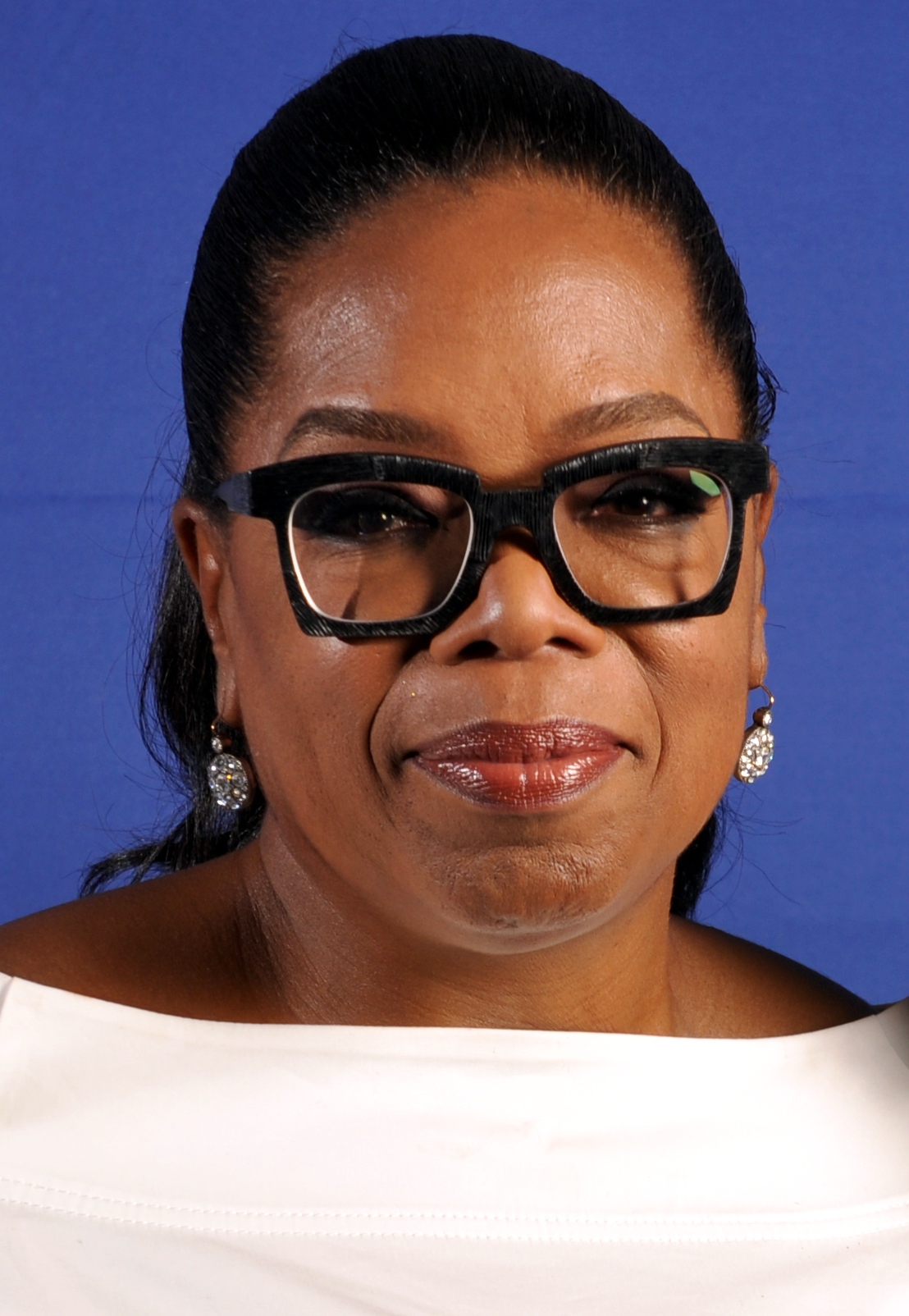
Oprah’s team originally framed the exit as a creative difference regarding the film's scope, insisting she unequivocally supported the victims while seeking more work on the narrative.
Insiders now suggest the real driver was gossip planted by an unnamed friend claiming accuser Drew Dixon was a gold-digger in a consensual relationship with Simmons, a claim the filmmakers called irrelevant to the rape allegation.
Court filings from Friday reveal a letter from filmmakers to Winfrey addressing doubts raised by her friend. Dixon sued Simmons for defamation in 2017. The documentary 'On The Record' premiered at Sundance in January 2020.
The receipts show Oprah’s public stance on 'inconsistencies' masked a decision influenced by unverified hearsay from a single source.
For years, the narrative around Oprah Winfrey’s abrupt exit from the Russell Simmons documentary "On The Record" was simple: she saw inconsistencies. She told CBS This Morning that she cared about getting it right and felt the stories needed more scrutiny. But new court documents filed this Friday by attorneys for Drew Dixon have blown that explanation wide open. The filings suggest Winfrey didn’t pull the plug because of factual flaws in the documentary, but because of scuttlebutt fed to her by an unnamed "friend." The drama centers on the weeks leading up to the film’s Sundance Film Festival premiere in January 2020. Winfrey suddenly informed the filmmakers that if they didn’t pull the Apple documentary from the festival, she would remove her name as executive producer. At the time, her public statement was diplomatic, claiming she "unequivocally believes and supports the women" and that their stories "deserve to be told and heard." She cited a lack of alignment on creative vision and the need to illuminate the full scope of what victims endured. It was a clean, professional breakup. However, the exhibit provided in the latest court papers reveals a much messier reality. The filmmakers wrote a letter to Winfrey attempting to reassure her about the doubts raised by her friend. This friend allegedly claimed that Dixon had been in a romantic relationship with Simmons at the time of the alleged 1995 rape and was motivated by fame and money. The filmmakers refuted these claims point-by-point, delivering a blunt rebuttal: "How does any of the above lead one to conclude Drew wasn’t raped? Fame-seekers, as well as prostitutes and gold diggers, can be raped. And persons in consensual relationships can be raped." This revelation lands in the middle of a high-stakes legal war. Russell Simmons is suing Warner Brothers Discovery for airing the HBO documentary, which featured Dixon’s claims. Dixon, a former Def Jam executive, is suing Simmons for defamation after he suggested her rape claim was a lie. She has also sued music mogul L.A. Reid for alleged sexual assault. Simmons, who resigned from Def Jam in 2017, has been accused of sexual misconduct by 12 women but has never been charged with a crime. He has strenuously denied all wrongdoing. The timing of these court filings is critical. By exposing that Winfrey’s exit may have been influenced by unverified rumors from a single source rather than editorial rigor, the defense for Dixon is undermining the credibility of the "inconsistencies" narrative. Winfrey’s name removal cast a pall of doubt over the women in the film for years. Now, the receipts suggest that doubt may have been manufactured by a friend’s gossip, leaving Oprah’s legacy as a champion of women’s stories tangled in a web of hearsay and Hollywood politics.