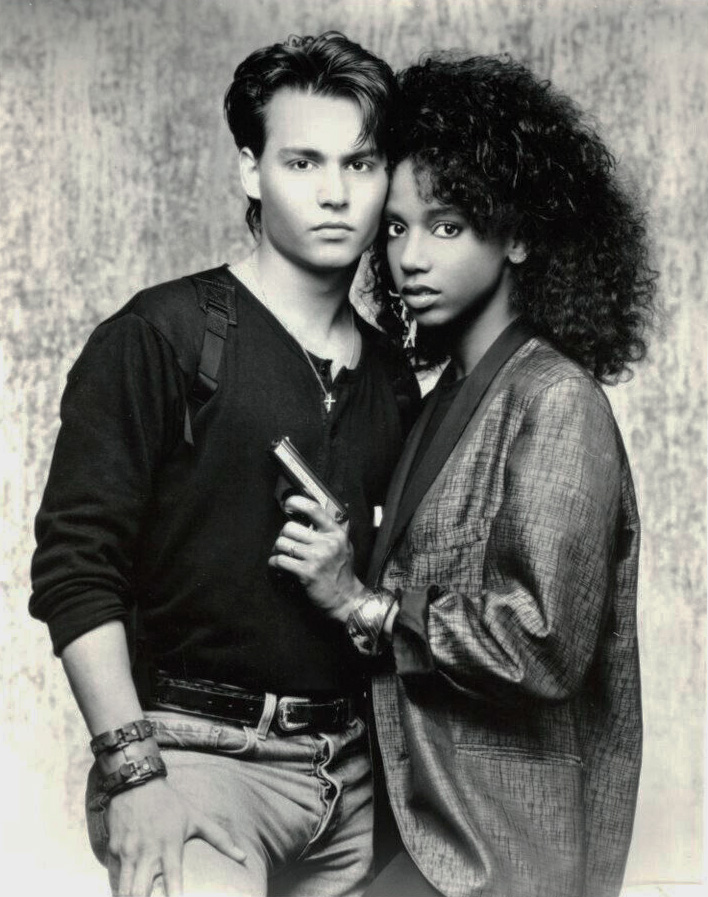
Depp was simply an artistic soul trapped in a mainstream box, desperate to escape the commercial machine that was turning him into a lunchbox brand before he could define his own career.
Insiders say Depp was a nightmare to work with, actively trying to get fired so he wouldn’t have to pay for a contract breach. He reportedly trashed his own Winnebago just hours after a co-star called him out for being difficult.
Depp’s salary jumped from $6,000 to $45,000 per episode, yet he still tried to work for free to leave. He was arrested in Vancouver for assault after a confrontation with a security guard at a hotel party.
The man who played the most misunderstood pirate in cinema history was apparently too misunderstood to keep his underwear on during a TV shoot.
If you thought the courtroom drama of the 2020s was peak Johnny Depp chaos, you haven’t read the receipts from his 1980s teen idol era. A bombshell new biography by Mark Seal, titled "The Many Faces of Johnny Depp," details the actor’s absolute meltdown during the filming of "21 Jump Street." While Depp was skyrocketing to fame as the face of the fledgling Fox network, he was reportedly engaging in behavior that would get most interns fired on day one.
We’re not talking about minor complaints; we’re talking about showing up to set dressed as Gandhi and literally lighting his own underwear on fire just to protest that his trailer hadn’t been cleaned. The man was willing to burn his briefs to make a point about hygiene, which is a level of pettiness I can only describe as legendary. The financial stakes were high, but Depp’s desire to escape was higher.
According to the book, his salary exploded from $6,000 per episode in Season 1 to $12,000 in Season 2, and finally to a hefty $45,000 by Season 3. Yet, despite the money rolling in, Depp was reportedly desperate to get out of his contract. He even offered to work for free if the producers would just let him walk.
His disdain for the role was vocal and ideological; in a 1990 interview with Sky Magazine, he called the premise of undercover cops in high schools "borderline fascism," proving he had no problem spitting on the hand that fed him while simultaneously taking the check. The drama wasn’t just internal; it spilled out into the real world with police involvement. The biography reveals that Depp was arrested and charged with assault following a confrontation with a security guard at a party in a Vancouver hotel.
Remarkably, he kept his job, but his co-stars were losing their patience. Holly Robinson, who played his partner on the show, was the only one who apparently had the guts to confront him. She told Seal she was "over the moon" to be on the show and found it hard to work with someone who was "pissing all over it." She went to his Winnebago trailer to tell him off, and in a move that screams classic Depp, he trashed the entire vehicle right after the conversation.
She noted that while he has a "great heart," he hated being a teenage girl’s wall poster. Depp’s strategy to sabotage his own teen idol image extended beyond on-set tantrums. He actively sought out roles that would repel the mainstream, such as starring in John Waters’ "Cry-Baby," playing a 1950s rebel.
The book also touches on the massive wealth he accumulated during this period and the equally massive amount he has since blown, painting a picture of a man who was always at war with his own fame. As "The Many Faces of Johnny Depp" hits shelves, it’s clear that the scandalous behavior we associate with him now isn’t new—it’s just been documented with receipts we didn’t know existed. From Gandhi costumes to arson-level trailer protests, Depp’s early career was less about acting and more about performance art designed to annoy everyone around him.